
Lessons in Longevity: a trip to the Blue Zone
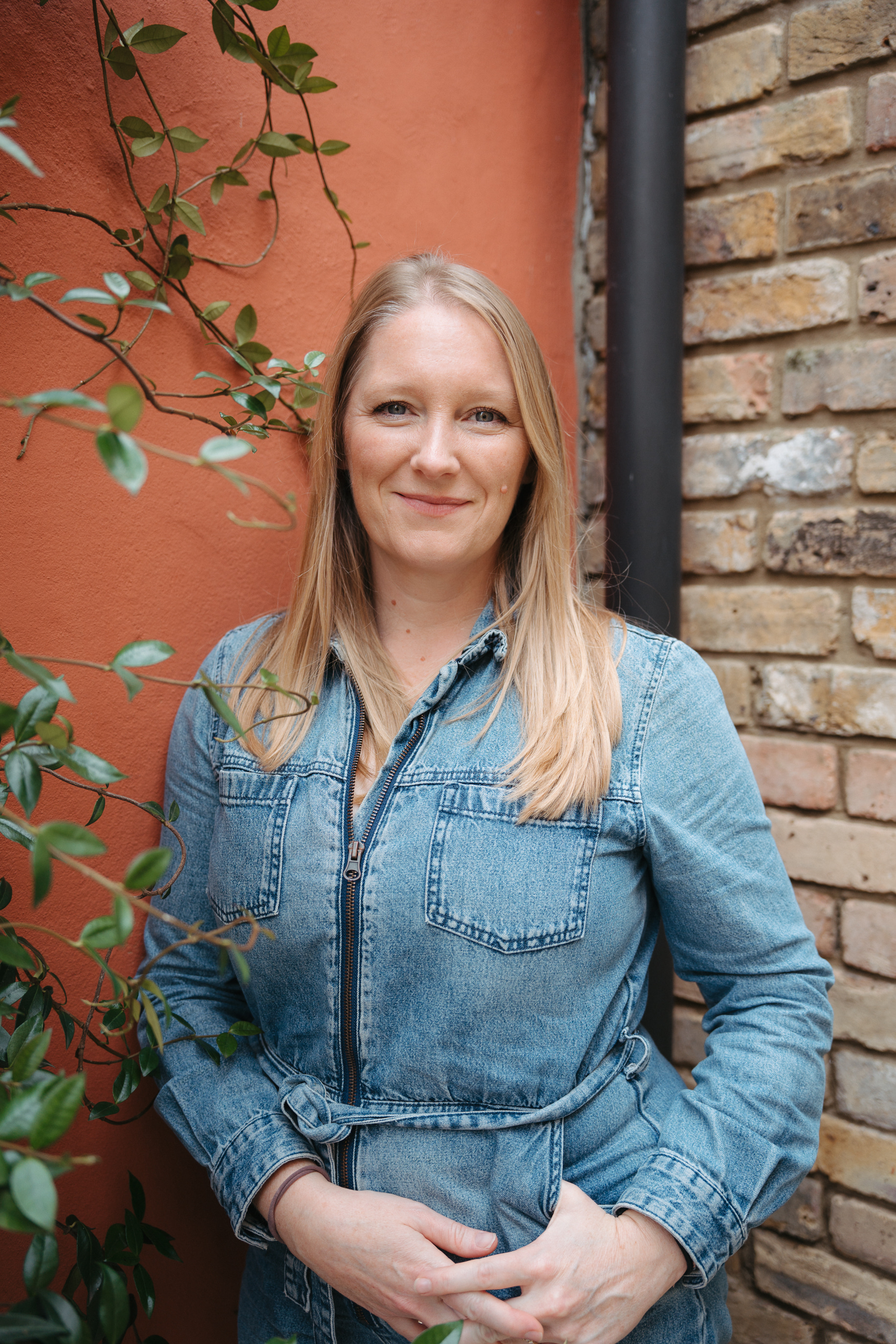

Sometimes there are times in life when an opportunity arises and it is worth moving man and mountain to take it. Admittedly, my superpower has always been doing too much, rather than too little, but on this occasion, the action required me to slow to almost a complete halt, which was exactly what I needed.
The Blue Zones are areas in the world where people live an exceptionally long and healthy life, with many individuals living to 100 or more years of age.
As a Nutritional Therapy clinic based in London, many of our clients seek the answers to just such lives, and they are not alone. The Blue Zones have been studied by scientists and humanitarians alike, everyone seeking to unlock the secrets of longevity.
I'm Bethany, partner and Nutritional Therapist at Remedy Clinic. I focus on the practical everyday changes that improve your wellbeing, from mental health, stress to metabolic and hormonal health. I lead the teaching programme on Teen Nutrition: I'm passionate about helping people lay the foundations that determine their long-term health. I have 3 children (12, 10 and 1), so it has been a while since I've had the chance to travel solo, but this year, something shifted, a golden window appeared, and I leapt at the chance.
Now I sit, overlooking the Aegean Sea, surrounded by mountains dressed in pine trees, grape vines to shade me from the sun, bergamot, orange, lemon, olive, plum, pear, apple trees in every direction I look, the scent of wild mint and rosemary in the air, cicadas keeping a beat that resonates to my core.
I've come to the Karimalis Winery and Farmhouse, where George and his wife Eleni live and breathe the essence of longevity living, sharing their wisdom in cooking classes and retreats, both here on the Greek island of Ikaria, and all over the world in the quieter winter months.
Like many others, I have studied the Blue Zones, searched for patterns, sought to understand the essence behind the long and healthy lives of those living in them, to support and educate myself and others back home, but already only 3 days in, something is very clear. While there are facts, there are also nuances, and like many things in life, the devil is in the detail. My mission to translate the Blue Zone lifestyle is going to be harder than I imagined.
In my line of work, I use food as medicine, so naturally my first thought it to study the diet here. It is undeniable that the access to organic, nutrient dense foods gives a distinct advantage to the people living on the island. But here's the thing - even with access to stunningly beautiful homegrown produce, the residents of Ikaria don't stop there. The way that the foods are preserved, revered, prepared is done in the most thoughtful ways to cherish and preserve the nutrient value already present. This is not a place where fresh tomatoes, courgettes, plums, grapes or other fresh fruit and vegetables are available all year round. It is also not a place where traditionally (and still now is some places), fridges or freezers are used. If anything, their diets are less diverse than those of us with 24 hour access to everything on the planet, but what and how they eat forms a fundamental pillar in their life. Foods are eaten seasonally. What can't be eaten straight away is fermented, conserved, always to increase their nutrition status, never to take away from it.
Nuance: The people of Ikaria don't stop here. What they do before eating, after eating matters almost as much as what they are eating. Movement, meditation, relaxation all play as much as part in digestion as the act of eating, and here it forms the foundation of their daily life, not something that is made time for, as and when it is remembered.
Fact number 2: Connection.
The irony of travelling to a place alone, where it is completely impossible to be alone. The Ikarians are not just friendly, they live and breathe the experiences of others around them. Here, weddings, festivals, panigyris, are paid for by the community, people suffering from hardship are supported by the community. Even the stray cats are fed and cared for by the community. George talks about the time when his grandfather was young. 'The animals were kept by everyone, and shared by everyone. Once, twice a year, they would decide who would kill the animal. Is one person going to eat 35kg of meat with no fridge? Of course not. That person would share the meat with the community. Next time, it was someone else.'
Every person pays it forward, with the knowledge that everything will come back around, as and when they need it. A friend I made during this trip had the misfortune to be injured on a hike, and was cared for as if she were a member of the family. 'I am thinking about you in that moment, when that happened to you' was George's response, demonstrating a depth of understanding and empathy that comes only from secure emotional and physical connection to others.
Fact number 3: Time.
'What time is breakfast, George?' asked another guest just after I arrived on my first night. George hesitates and gestures gently. 'eh, breakfast time!' he replies. Myself and the other guest slightly bemused, too polite to dig further. Another fellow traveller I meet comments the following day - 'have you noticed there aren't any clocks on the island? No-one seems to care much about the time here.' Activities enter categories of day (up to 2am), or night (potentially until 9am, and definitely not before 10pm), and as someone who works to a very British 24h time schedule, this is both equally disconcerting and hugely liberating. Things happen when circumstances and people are ready, and no-one is held accountable to a modern day clock.
I find this exceptionally poetic- in a land where time as we know it isn't a concept people here care for, time itself is what they are rewarded with.

George and Eleni come alive during their time with others, sharing their ancestral home, their knowledge, their table, with everyone who walks in their door. Their sense of purpose is clear, as much as their respect and humility for their ancestors that came before them. They don't seek to change their traditions, they seek to understand them and share them with the world. George has dedicated his life to supporting his family, working the land, learning the skills and techniques that keep people living active lives into their 90s and beyond.
These days he is pragmatic too. One morning over breakfast I quizzed him about his food choice, and he describes what he's eating. '2 eggs, enough. Fresh vegetables, carrots, cucumber, tomatoes. A little olive oil. Salt and pepper, and turmeric of course. And a handful of walnuts. not two. And of course, some D3 and K2'. My ears prick up - you're adding vitamin D George? Even living here?.

'Yes.' he replies. 'you cannot escape the modern world. My grandfather didn't have pollution. I travel for a significant period of the year, even living here I have to protect myself.'
George and Eleni have strict guidelines on how to eat, based on the ancient traditions and lessons passed down to them, all of which is taught in their workshop and retreats. A key underlying message however is always moderation. 'A handful of walnuts, not two.' George and Eleni understand foods, they understand the limitations of foods, even healthy ones, and while they may not be guided by clocks, they are guided by their ancestors, their 'angels' (Eleni's reference to her grandmother).
George and Eleni run workshops and retreats on the island of Ikaria, Greece, and internationally from October throughout the winter. This year they are teaching their first classes in London, on the 28th and 29th November.
Tickets are limited, you can book your places here (none of my stay was sponsored in exchange for writing this).
I won't lie. Ikaria is not for the faint-hearted. The roads are wild and mountainous; they serve a purpose. A tiny local plane brings you here from Athens, there are no direct flights. The street signs, shop signs are all in Greek. But the reward is breathtaking. Hospitality and warmth from locals that embrace you as their own. Water, air and food worthy of the Gods. Whether you come to learn, to relax, or just as a inquisitive traveller, Ikaria gives you a full-body otherworldly experience that ultimately always makes this island feel like home. When I die, I want to come back Greek.


Comments